
"from giant turtles"
300 article(s) found

Hasunda Coffee Garden, a coffee-producing country in the Galapagos Islands
Coffee treasures from the hometown of giant turtles, this kind of coffee treasures are of excellent quality and do not use any chemical agents when growing. Coffee is grown in San Cristobal (Saint Crstbal). St. Cristobal is a larger island in the Galapagos Islands (Galapagos Islands) and the only one in the archipelago with plenty of fresh water. At 410 meters above sea level on the island

Characteristics of Ecuadorian coffee beans price of Ecuadorian coffee beans flavor of Ecuadorian coffee beans
The Arabian Coffee Tree was first introduced to Ecuador in 1952 and its coffee is of good quality, especially the coffee harvested in early June. Ecuadorian coffee beans can be divided into two varieties: Galapagos and Gigante, both of which have the characteristics of large granules and heavy weight. Ecuadorian coffee can be divided into first class (No.1) and super excellent (Extra Superior) according to its quality.
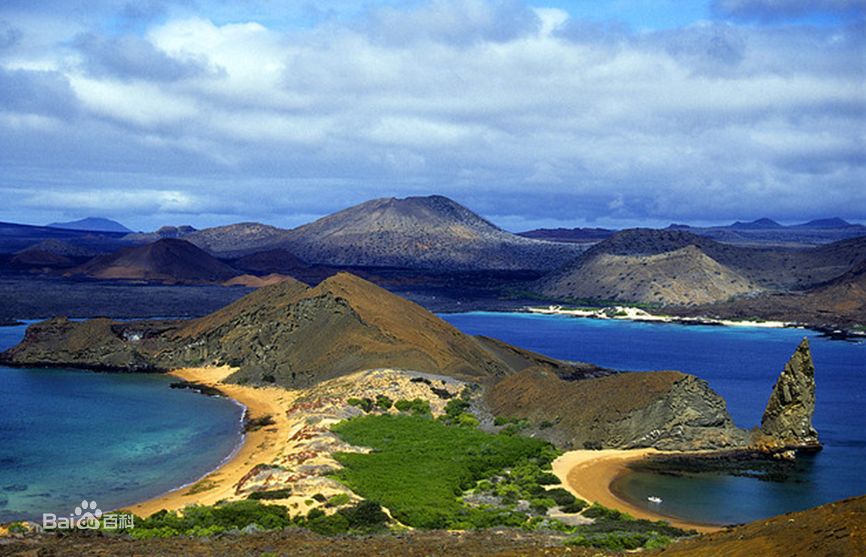
A brief introduction to the Flavor of Fine Coffee beans in the Galapagos Islands of Ecuador
Coffee treasures from the hometown of giant turtles, which are of excellent quality and do not use any chemicals when growing. Coffee is grown in San Cristobal (Saint Crstbal). St. Cristobal is a larger island in the Galapagos Islands (Galapagos Islands) and the only one in the archipelago with plenty of fresh water. At 410 meters above sea level on the island

Introduction to the characteristics of coffee flavor and taste manor of Hassanda Coffee Garden in Ecuador with balanced acidity
In addition, creative coffee made from Ecuadorian coffee beans with unique flavor is also popular with consumers. Mr. Veniso, the champion of the 2014 Ecuador Coffee Competition, won the Ecuador Coffee Competition with his creative formula. One espresso has a fresh and unique taste with mint grass from the Amazon, while the other has a rose-like Rolls-Roy.

Ecuador coffee varieties of carapica coffee beans introduction
As coffee is consumed around the world, the world coffee industry moves toward mass production, and San Cristobal's smaller and less reliable coffee industry is in trouble and may eventually be forced to give up without profit. It wasn't until the early 1990s that the Gonzalez family bought Hassenda Coffee Plantation. Humboldt Current

Introduction to the excellent quality Ecuadorian Coffee Flavor and Flavor Manor
The Arabian Coffee Tree was first introduced to Ecuador in 1952 and its coffee is of good quality, especially the coffee harvested in early June. Ecuadorian coffee beans can be divided into two varieties: Galapagos and Gigante, both of which have the characteristics of large granules and heavy weight. Ecuadorian coffee can be divided into first class (No.1) and super excellent (Extra Superior) according to its quality.

Introduction to Santa Cruz Manor in Ecuador Coffee Manor
Ecuador is one of the few countries in South America that produces both Arabica coffee and Robbins coffee. However, as the land suitable for Arabica coffee trees is decreasing, the production of Robbins coffee is gradually increasing. The best Arabica coffee comes from the Andes, especially the Chanchagu Valley (ChanchamgoValley), which is divided into two mountains from the south.

How is the coffee flavor of Alcatraz Ecuador? introduction to the loja producing area of Loha, Ecuador
Professional coffee knowledge exchange more coffee bean information please follow the coffee workshop (Wechat official account cafe_style) Ecuador Ecuadorian coffee compared to bananas, oil, shrimp and other has never been listed as a major source of income, Ecuador's most famous Galapagos Islands Galapagos island, inhabited by Darwin's giant turtle native species, the United Nations Educational, Scientific and Cultural Organization

Introduction of Fine Coffee beans in Galapagos Coffee Manor, Ecuador
West coast: including coastal plains and foothills, high in the east and low in the west, generally below 200 meters above sea level, with some hills and low mountains at an altitude of 600 to 700 meters. Belongs to the tropical rain forest climate, the southernmost end begins to transition to the savanna climate. The average annual precipitation decreases from more than 3000 mm to about 500mm from north to south. Central Mountains: the Andes enter Ecuador from Colombia

The main producing areas of Galapagos Coffee introduce the boutique coffee producing area of San Cristobal.
The Galapagos Islands are about 300km from east to west and 200km from north to south (another source: 300km from north to south) and about 1000 km from the South American continent (about 1 hour and 30 minutes by air from Quito, Ecuador). It is a group of marine islands formed by lava deposits uplifted from the sea floor. The largest island in the archipelago is Isabella, which covers an area of 4588 square kilometers.

Introduction to the characteristics of coffee flavor varieties in Hassanda Coffee Garden of Ecuador with balanced acidity
Between Colombia and Peru, Ecuador, which passes through the equator, is one of the few countries in South America that produces both Arabica and robastian coffee. In fact, Ecuador means the Spanish equator. Due to the use of old-fashioned traditional harvesting and handling methods, Ecuadorian coffee is not listed as a boutique coffee, so it is generally rarely seen.

Hasunda coffee Ecuadorian coffee characteristics Ecuadorian coffee beans taste
Professional coffee knowledge exchange more coffee bean information please follow the coffee workshop (Wechat official account cafe_style) coffee treasures from the hometown of giant turtles, this kind of coffee is of excellent quality and does not use any chemicals when growing. Coffee is grown in San Cristobal (Saint Crstbal). St. Cristobal is one of the Galapagos Islands (Galapagos Islands).

Description of Coffee Flavor of Santa Cruz Manor in Ecuador with balanced acidity introduction to the producing area of Grinding degree
St. Cristobal is a larger island in the Galapagos archipelago. At 410m above sea level, there is a small lake called El.Junco, which forms streams along the rocks and volcanic rocks on the southern slope of the island. Mineral-rich fresh water moistens the land of St. Cristobal, keeping the soil moist and fertile. For here.

Ecuadorian coffee
Coffee origin: the Ecuadorian Arabian Coffee Tree was first introduced to Ecuador (Ecuador) in 1952 and its coffee quality is very good, especially the coffee harvested in early June. Ecuadorian coffee beans can be divided into two varieties: Galapagos and Gigante, both of which have the characteristics of large granules and heavy weight. Ecuadorian coffee can be divided into first class (No.1) and special coffee according to quality.

A brief introduction to the market price of balanced and refreshing Ecuadorian boutique coffee beans
Because of the unique role of the Galapagos Islands in the course of history, the Government of Ecuador has designated the Galapagos Islands as a national park, the land is no longer allowed to be reclaimed as new agricultural land, and the introduction and use of chemical fertilizers, pesticides, herbicides and other chemicals are strictly prohibited, so coffee produced in the Galapagos Islands is recognized as a natural product. Ecuador ES Coffee South Ecuador

A very balanced and refreshing coffee from Santa Cruz in the Galapagos Islands of Ecuador
Although the coffee in Ecuador is not well known, it tastes very balanced and refreshing, and it has a unique aroma. It mainly produces Arabica coffee and Robbins coffee. Try the local coffee, which will surprise you. The Arabian Coffee Tree was first introduced to Ecuador (Ecuador) in 1952 and its coffee is of good quality, especially the coffee harvested in early June.

Introduction to Hasunda Coffee Garden in Ecuador Coffee Flavor Manor
At that time, there were only two days of fresh water left on the ship, and the sailors landed in lifeboats and found a large number of seals, sea turtles, giant tortoises that could carry people, and iguanas that looked like venomous snakes, but they did not find fresh water, so they sailed to another larger island more than 20 kilometers away. As there was still no wind, it took them several days to get there

Ecuadorian Coffee Flavor description, Origin, Culture, taste characteristics, introduction to boutique coffee beans
In 1535, Flatoma de Belanga and others of Spain stumbled upon the Galapagos Islands. Thomas was born in 1487 on the Duro River in the province of Soria, Spain. He was the fourth bishop of Panama at that time. He was ordered to go to Peru. When his ship set sail from Panama on February 23, under the impact of a strong current, they were taken to the unknown surface of the ocean.

Introduction to the characteristics of varieties and taste of the flavor description treatment method of Hassanda coffee garden in Ecuador
Central mountain: after entering Ecuador from Colombia, the Andes is divided into the eastern and western Cordillera mountains, with a plateau high in the north and low in the south, averaging between 2500 and 3000 meters above sea level. The Andes run through the middle of the border. The ridges crisscross, dividing the plateau into more than ten intermountain basins. The most important are the Quito basin and the Cuenca basin in the south. Volcanic crowds in the territory